

Boosting Conversions: Email List, Popups, or Products?
Boosting conversions involves a strategic approach that integrates your email list, popups, and product experience to effectively engage potential customers.
Think of your email list as your owned audience – people who’ve actively given you permission to communicate with them. This isn’t some fleeting social media algorithm; it’s a direct line to individuals who’ve shown some level of interest in what you offer.
The Enduring Power of Direct Communication

In an age of endless content and diminishing attention spans, email cuts through the noise. It lands directly in an inbox, bypasses algorithms, and offers a private channel for communication. This directness fosters a sense of intimacy and trust that other marketing channels often struggle to achieve. When someone opens your email, they’re actively choosing to engage with your brand.
Nurturing Leads for Long-Term Value

An email list isn’t just for immediate sales. It’s a powerful tool for lead nurturing. Most people don’t buy on their first visit. Email allows you to build a relationship over time, educate them about your offerings, address their concerns, and gradually guide them towards a purchase. This nurturing process significantly increases the likelihood of conversion, especially for higher-value products or services.
Segmentation for Personalized Impact

One of the biggest advantages of email marketing is the ability to segment your audience. You can group subscribers based on their interests, past purchases, behavior on your site, or even how they joined your list. This allows you to send highly targeted messages that resonate deeply with each segment, making your communications far more effective and less likely to be perceived as spam. Personalized emails consistently outperform generic broadcasts.
If you’re looking to optimize your marketing strategy, understanding the nuances of email list growth, popup conversion, and product conversion is essential. A related article that delves deeper into these topics is titled “Simple numbers: email list, popup conversion, product conversion — which to fix first.” You can read it for valuable insights on prioritizing your conversion strategies by following this link: Simple numbers: email list, popup conversion, product conversion — which to fix first.The Role of Popups: Timely Interruption for Action

Popups often get a bad rap, but when used thoughtfully, they can be incredibly effective conversion tools. They’re designed to grab attention and prompt immediate action, whether it’s joining your email list, taking advantage of a special offer, or reminding them about an abandoned cart.
Capturing Attention at Key Moments
Popups excel at capturing user attention at specific points in their journey. This could be when they’re about to leave your site (exit-intent), after they’ve scrolled a certain percentage down a page, or after spending a specific amount of time on your site. By interrupting their browsing flow, you create an opportunity to present a compelling message they might otherwise miss.
Driving Email List Growth
One of the most common and effective uses of popups is for email list building. A well-designed popup offering a clear incentive (e.g., a discount code, a free guide, exclusive content) can significantly boost your subscriber numbers. The key here is the incentive – simply asking for an email address often isn’t enough in today’s competitive landscape.
Promoting Special Offers and Urgency

Popups are fantastic for highlighting limited-time offers, flash sales, or new product launches. Their immediate, in-your-face nature creates a sense of urgency and can drive impulse purchases or encourage immediate consideration. This is particularly effective for promotions with a clear deadline or limited availability.
Recovering Abandoned Carts

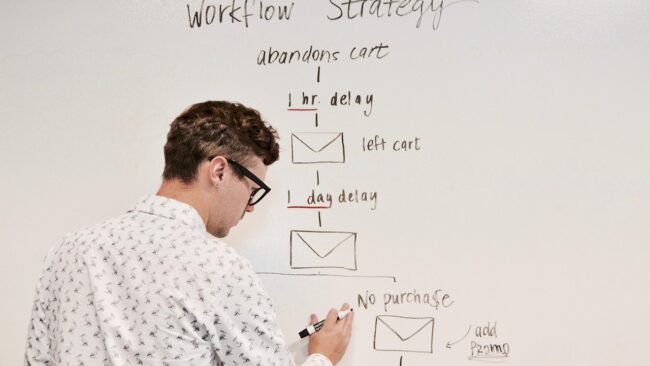
Exit-intent popups can be a lifesaver for abandoned carts. When a user is about to leave with items still in their cart, a popup offering a small discount or free shipping can be just the push they need to complete their purchase. This directly impacts your bottom line by recovering otherwise lost sales.
Why Your Products are the Ultimate Conversion Lever


No matter how good your marketing is, if your products aren’t up to par, conversions will suffer. Your product is the core of your business, and its quality, value, and presentation are fundamental to converting browsers into buyers.
The Foundation of Trust and Value

Ultimately, people buy products or services because they believe they will solve a problem or fulfill a need. If your product doesn’t deliver on its promises, or if its value isn’t clearly communicated, even the best marketing won’t save it. Trust is built on delivering a quality product consistently. A good product speaks for itself and encourages repeat business and word-of-mouth referrals.
Crystal Clear Product Messaging

It’s not enough to have a great product; you need to effectively communicate why it’s great and who it’s for. This involves clear, concise, and compelling product descriptions that highlight benefits over features. What problem does it solve? How will it make the customer’s life better? Use language that resonates with your target audience and addresses their pain points directly.
User Experience and Product Presentation

The way your product is presented online dramatically impacts conversion. High-quality images, engaging videos, and interactive elements can bring your product to life. A seamless user experience on your website – from easy navigation to a straightforward checkout process – reduces friction and makes purchasing a breeze. If your site is slow, clunky, or difficult to use, even a fantastic product will struggle to convert.
Addressing Objections and Building Confidence

Potential customers always have questions and objections. Your product pages should proactively address these. This includes detailed FAQs, transparent pricing, clear shipping and return policies, and most importantly, social proof. Testimonials, reviews, case studies, and user-generated content build confidence and validate the claims you make about your product.
The Synergy: How Email, Popups, and Products Work Together


Thinking of these three as separate entities is a missed opportunity. Their real power emerges when they’re integrated into a cohesive strategy.
Email List Growth Fueled by Popups and Product Value

Popups are your front-line soldiers for email list growth. They can offer a discount (related to your product) in exchange for an email address. Once on the list, the quality of your product and the value it offers become the basis for your email content. You use emails to educate subscribers about the nuances of your product, showcase new features, and share customer success stories.
Popups Highlighting Product Value and Driving Email Sign-Ups

An exit-intent popup, for example, could offer a free guide (an informational product) relevant to your main product, in exchange for an email. Or it could directly offer a discount on a specific product category to prevent an abandoned session. The popup’s message is directly tied to either getting someone onto your email list or directly encouraging a product purchase, leveraging the perceived value of your offerings.
Products Providing Content for Emails and Offers for Popups

Your products aren’t just things you sell; they’re content generators. New product launches, product updates, how-to guides, and customer showcases featuring your products all make excellent email content. Similarly, product-specific discounts or bundles can be promoted effectively through popups, creating a direct pathway to purchase. The product itself, with its features and benefits, provides the substance for all your marketing efforts.
In the quest to optimize your online business, understanding which area to prioritize can be challenging. A related article that delves deeper into this topic is available at ConvertNest, where you can explore strategies for improving email list growth, enhancing popup conversion rates, and boosting product conversion. By focusing on these elements, you can effectively increase your overall sales and customer engagement.Practical Implementation: A Step-by-Step Approach

| Metric | Email List | Popup Conversion | Product Conversion |
|---|---|---|---|
| Current Value | 5000 | 10% | 2% |
| Goal | 10000 | 15% | 5% |
| Action Plan | Run targeted email campaigns | Optimize popup design and messaging | Improve product page and checkout process |
Now, let’s talk about putting this into practice. It’s not about doing everything at once, but about strategic iteration.
Optimize Your Core Product Experience First

Before you scale your marketing efforts, ensure your product and its online presentation are solid. This means:
- High-Quality Product Pages: Clear descriptions, stunning visuals, and compelling calls to action.
- Seamless User Journey: From landing page to checkout, minimize friction.
- Strong Social Proof: Reviews, testimonials, and trust signals prominently displayed.
- Competitive Pricing and Value Proposition: Ensure your pricing is aligned with the value you offer and your market.
Without this foundation, your email and popup efforts will be pushing water uphill.
Thoughtful Popup Deployment

Don’t just slap a generic popup on every page. Be strategic:
- Exit-Intent Popups: Excellent for email sign-ups with an incentive, or abandoned cart recovery.
- Timed Popups: Appear after a user has shown some engagement (e.g., 30 seconds on page, scrolled 50%).
- Scroll-Based Popups: Appear when a user has reached a specific point in a long article, offering a relevant lead magnet.
- Segmented Popups: Show different popups to new vs. returning visitors, or based on their browsing behavior.
- Clear Call to Action: Make it obvious what you want the user to do.
- Non-Aggressive Design: Ensure they’re easy to close and don’t feel intrusive or spammy. A subtle slide-in can be less jarring than a full-screen takeover.
Test different types, timing, and offers to see what resonates best with your audience. Tools like OptinMonster, Sumo, or Privy can help with implementation and A/B testing.
Building and Nurturing Your Email List Systematically
This is an ongoing process that yields long-term returns:
- Strong Incentives: Offer real value in exchange for an email address (discounts, exclusive content, free resources). This is where popups come in handy.
- Clear Opt-in Forms: Place them strategically throughout your site (footer, sidebar, dedicated landing pages).
- Welcome Series: Automate a sequence of 3-5 emails for new subscribers. Introduce your brand, share your story, highlight key products, and offer a special deal.
- Regular, Valuable Content: Send emails that educate, entertain, and inform – not just sell. Share new blog posts, product updates, behind-the-scenes glimpses, or customer spotlights.
- Segmentation and Personalization: Use the data you collect to send more relevant emails. A customer who bought product A might be interested in complementary product B. Someone who browsed a category but didn’t buy could receive an email with related content or a special offer for that category.
- Re-engagement Campaigns: For inactive subscribers, try to win them back with special offers or valuable content before unsubscribing them.
Email marketing platforms like Mailchimp, ConvertKit, or ActiveCampaign offer the automation and analytics you need for effective list management.
In conclusion, boosting conversions isn’t about choosing one silver bullet. It’s about orchestrating your email list, popups, and product experience to create a seamless and compelling journey for your customers. Each element has its unique strengths, and when they’re aligned, they amplify each other’s effectiveness, leading to sustained growth and happier customers. Start with your product, carefully integrate popups, and then leverage your email list to nurture those relationships over time.
For more insights on prioritizing your conversion strategies, check out this related article.