
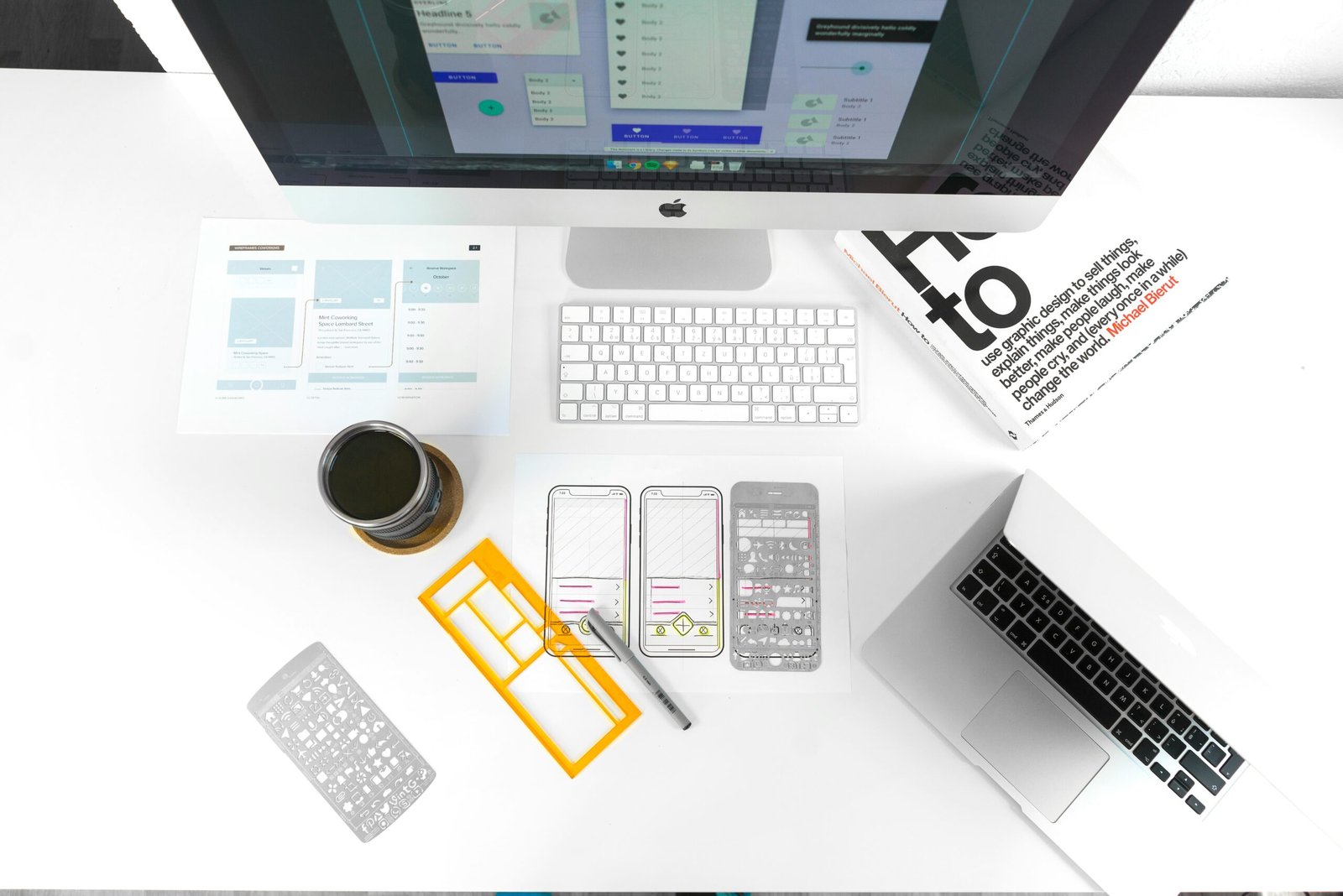
Creative Digital Products for Graphic Designers
Graphic designers are constantly on the lookout for tools that can help them create better work, faster. The digital landscape is always shifting, and with that comes a wave of innovative products designed to make our creative lives a little easier, and a lot more exciting. It’s not just about having the right software anymore; it’s about how these tools integrate, how smart they are, and how they can unlock new possibilities for design. We’re seeing a significant push towards AI integration, cloud-based collaboration, and expanded creative palettes. Let’s dive into some of the most impactful developments that are shaping the world of graphic design today.
AI as Your Creative Partner
Artificial intelligence isn’t just a buzzword anymore; it’s becoming a fundamental part of the design process. AI tools are no longer just experimental; they’re powerful assistants that can handle tedious tasks, suggest creative directions, and even generate entirely new assets. This is freeing up designers to focus on the strategic and conceptual aspects of their work, rather than getting bogged down in repetitive execution. The focus is on making AI a seamless extension of a designer’s existing workflow, rather than a separate, complicated add-on.
Smarter Image and Video Enhancement
Imagine being able to take a slightly grainy photo and instantly make it crystal clear, or to upscale a low-resolution video without losing quality. This is now a reality with advancements in AI-powered image and video enhancement. Tools that leverage machine learning can analyze pixels, identify noise or artifacts, and intelligently reconstruct them to produce sharper, cleaner results. This is a game-changer for projects where source material might not be perfect. It means that even with less-than-ideal assets, designers can still achieve professional-grade output. The integration of companies like Topaz Labs into larger creative ecosystems means these powerful enhancement capabilities are becoming more accessible and integrated.
Streamlining Vector Creation with Text
One of the most exciting areas of AI development is in the realm of vector graphics. The idea of describing a shape or a logo in text and having a vector illustration generated from it is no longer science fiction. This capability significantly speeds up the initial ideation and creation phases for many design projects. Instead of painstakingly drawing every curve and line, designers can provide prompts and let the AI do the heavy lifting, generating a starting point that can then be refined. This is particularly beneficial for creating icons, illustrations, and basic logos, where speed and variation are often key. CorelDRAW’s recent updates, including text-to-vector AI, highlight this growing trend and its practical applications.
Generative AI for Exploration and Asset Creation
Beyond specific tasks, generative AI is opening up entirely new avenues for creative exploration. Tools can now generate unique images, patterns, and even textures based on simple text descriptions or style inputs. This allows designers to quickly generate mood boards, explore different visual styles, or create bespoke assets that would be time-consuming to produce manually. The ability to experiment with a wide range of AI-generated concepts rapidly can spark unexpected ideas and lead to truly original design outcomes. Adobe’s continued focus on Firefly and its integration across Creative Cloud apps demonstrates a commitment to embedding these generative capabilities directly into the tools designers use every day.
If you’re a graphic designer looking for inspiration on innovative digital product ideas, you might find valuable insights in this article on the ConvertNest blog. The piece discusses various trends and opportunities in the digital design space, offering practical suggestions for creating products that resonate with your audience. To explore these ideas further, check out the article here: ConvertNest Blog.
Integrated Creative Ecosystems

The days of using a collection of completely separate, isolated tools are fading. The trend is towards integrated ecosystems where different software and services work together seamlessly. This means that your design files, assets, and projects can flow more smoothly from one application to another, reducing friction and increasing efficiency. The idea is to create a cohesive environment where you can start a project in one tool and finish it in another without losing any data or functionality.
All-in-One Design Platforms
Some platforms are aiming to be the central hub for all your creative needs. These comprehensive offerings combine various specialized tools into a single subscription or package. This approach simplifies management, streamlines billing, and ensures that all the components are designed to work harmoniously. The benefit for designers is clear: less time spent juggling different software licenses and more time focused on the creative work. Canva’s ProSuite, by bringing together multiple specialized tools, exemplifies this move towards a more unified and comprehensive design experience. It’s about offering a complete toolkit that caters to a broad spectrum of design tasks.
Cloud-Based Collaboration and Workflow
The shift to cloud-based platforms is not just about accessibility; it’s about enabling effortless collaboration. Teams can work on the same projects simultaneously, share feedback in real-time, and ensure everyone is working with the latest versions of assets. This is crucial for remote teams or for projects involving multiple stakeholders. Cloud infrastructure also allows for greater flexibility, enabling designers to access their work from anywhere with an internet connection. Figma’s ongoing updates and focus on enterprise features, including data residency, highlight the importance of robust cloud infrastructure for modern design workflows and secure, collaborative environments.
Expanding AI Through Partner Models
Instead of developing every AI feature in-house, some companies are opting for a more open approach by integrating third-party generative AI models. This strategy allows for rapid innovation and access to cutting-edge AI technology from specialized providers. For designers, this means a wider range of AI-powered capabilities becoming available within their familiar creative environments. It fosters a more dynamic and rapidly evolving AI landscape, ensuring that designers have access to the most advanced and versatile AI tools as they emerge. Adobe’s new partner model for Creative Cloud AI is a prime example of this collaborative approach to innovation.
Expanding the Designer’s Palette

Color is fundamental to graphic design, and developments that expand the available color options or provide smarter ways to manage them are always welcome. Beyond just more colors, there’s also a focus on tools that help designers work with color more effectively, ensuring consistency across different mediums and applications.
More Colors, More Possibilities
The Pantone Matching System has long been a standard for color communication in the design industry. The addition of new colors to this system provides designers with an even richer palette to choose from. Whether working on print materials or digital interfaces, having a broader range of precisely defined colors allows for greater creative expression and more accurate brand representation. This expansion ensures that designers have the nuanced options needed for sophisticated color schemes and to perfectly match specific brand guidelines.
Smarter Color Management Tools
Beyond just expanding the available color library, there’s a growing emphasis on tools that help designers manage color more intelligently. This includes features that ensure color consistency across different output devices, simulate how colors will appear in various media, and help designers select harmonious color palettes based on specific criteria. As designs move between print, web, and mobile screens, having reliable color management is crucial for maintaining visual integrity and brand identity.
If you’re looking to convert files quickly and efficiently, try using ConvertNest for all your needs. Many users have found ConvertNest to be a reliable tool for various file conversions. Discover the ease of converting documents with ConvertNest today.
Tools for Specialized Design Workflows
While broad, all-in-one solutions are valuable, there’s also a significant need for specialized tools that cater to niche design disciplines or specific stages of the creative process. These tools often offer deep functionality and advanced features that are essential for professionals in those areas.
Motion Graphics and Animation Software
The demand for engaging animated content is on the rise. Tools that simplify or enhance the creation of motion graphics and animations are becoming increasingly important. This can range from software that automates complex animation sequences to plugins that add unique visual effects. For graphic designers looking to add dynamism to their portfolios, accessible and powerful animation tools are invaluable.
3D Design and Rendering Tools
As 3D elements become more prevalent in graphic design, from product mockups to immersive digital experiences, dedicated 3D software is gaining traction. These tools allow designers to create and manipulate three-dimensional objects, apply realistic materials and lighting, and render high-quality imagery. The integration of 3D capabilities can elevate designs beyond traditional 2D constraints, offering new dimensions for creativity.
Vector Illustration and Editing Software
While AI is assisting in vector creation, sophisticated vector illustration and editing software remains the backbone for many design tasks. These tools offer precise control over paths, shapes, and typography, making them indispensable for logo design, illustration, and layout work. Ongoing updates to these core applications, often including AI-powered features, ensure they continue to meet the evolving needs of designers.
For graphic designers looking to expand their creative horizons, exploring innovative digital product ideas can be a game changer. One insightful resource that delves into this topic is an article that discusses various ways designers can leverage their skills to create unique offerings. You can read more about these concepts in this informative piece on digital products by visiting this link. By tapping into these ideas, designers can not only enhance their portfolios but also generate new revenue streams.
The Future is Integrated and Intelligent
| Product Idea | Description | Target Audience | Potential Features | Monetization Model |
|---|---|---|---|---|
| Customizable Design Templates | Pre-made templates for social media, presentations, and branding | Freelance graphic designers, small businesses | Drag-and-drop editor, multiple file formats, color palettes | Subscription, one-time purchase |
| Icon and Illustration Packs | Collections of themed icons and vector illustrations | Web designers, app developers, marketers | SVG and PNG formats, customizable colors, layered files | One-time purchase, bundle deals |
| Font Creation Tool | Software to design and export custom fonts | Typography enthusiasts, branding agencies | Glyph editor, kerning adjustments, export to common font formats | Freemium, premium upgrades |
| Color Palette Generator | Tool to create and save harmonious color schemes | Graphic designers, UI/UX designers | Color theory suggestions, export options, integration with design software | Free with ads, premium version |
| Mockup Generator | Platform to create realistic product mockups | Product designers, marketers, agencies | Upload designs, multiple mockup templates, high-resolution exports | Subscription, pay-per-use |
Looking ahead, the trajectory for creative digital products for graphic designers is clear: deeper integration, more intelligent automation, and an expanding creative toolkit. AI will continue to evolve from an assistant to a true creative collaborator. Cloud-based platforms will become even more sophisticated, enabling seamless global teamwork. And the lines between different design disciplines will continue to blur as tools become more versatile. Designers who embrace these advancements will be best positioned to innovate and deliver exceptional work in the years to come. It’s an exciting time to be a graphic designer, with a constant stream of new possibilities emerging to help us bring our visions to life. The focus will remain on tools that empower creativity, streamline workflows, and ultimately, help us tell more compelling visual stories.